Latvia will seek an emergency meeting of the United Nations Security Council in response to Russia’s latest heavy attacks on Ukraine, Latvian Foreign Minister Baiba Braže said on Friday.
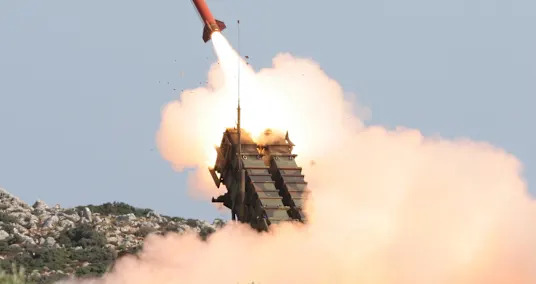
Russia earlier carried out renewed large-scale airstrikes on Ukraine and said it had, for the second time since the start of the war, used its nuclear-capable Oreshnik intermediate-range missile in stike on the western city of Lviv, not far from the border with Poland.
"Latvia will request an extraordinary meeting of the UN Security Council in response to Russia’s barbaric attack against Ukraine, including using an intermediate range ballistic missile close to the EU and NATO border," Braže wrong on X.
Latvia took up a non-permanent seat on the Security Council for the first time on January 1 and will serve on the UN’s most powerful body for two years.
The Baltic EU and NATO member, which borders Russia, is a close partner and supporter of Ukraine, which has been fighting a Russian invasion for nearly four years.
LATEST POSTS
- 1
 New dietary guidelines recommend more dairy, meat and fats: What to know
 - 2Signature Scents: A Manual for Outstanding Fragrances
- 3Benedict Cumberbatch takes on something even Sherlock can’t solve: male grief
- 4SpaceX rocket launches 140 satellites into orbit on Transporter-15, aces landing at sea (video)
- 5After toilet and email issues, Artemis II astronauts fire engine to head for the moon


- What an expert on the gut microbiome eats in a day
- Humpback whale stranded on Germany's Baltic coast frees itself
- Behind every perfect holiday memory is a mom on the brink
- Robert Irwin on winning 'Dancing With the Stars' 10 years after sister Bindi: 'This was everything I dreamed it would be and so much more'
- 4 Must-Visit bar-b-que Eateries This Year
- Vote in favor of your Favored Kind of Scarf
- Building an Individual Brand: Illustrations from Forces to be reckoned with
- NATO official says members often aren't buying weapons together, and it's a mistake
- The Significance of Health Projects in Senior Protection.